From neobanks and investment platforms to payment apps and personal finance platforms, every fintech company faces heavy competition as they gear up to break into the market. And it’s not easy to win the trust of an audience when it comes to money, especially when you’re still in the process of building credibility.
That’s where trusted creators and influential subject matter experts enter the picture, helping you humanize your messaging to educate and connect with the audience.
But with longer consideration cycles and strict regulatory guidelines, running creator campaigns for fintech companies comes with several constraints. As the leading experts in marketing for regulated companies, Sulfur Studio has what it takes to navigate those constraints with creative precision.
In this guide, we explore the complex and fascinating world of fintech influencer marketing. We break down the implications of running a creator campaign with “finfluencers” and how we’d approach campaigns for a regulated category. Let’s dive in.
What are the Implications of Fintech Creator Campaigns?
Effective influencer campaigns for fintech companies start with understanding the unique implications of the industry. You’ll have to navigate several complications related to:
Regulatory Scrutiny: Finance content creators in the industry face heavy oversight from bodies like the FTC, SEC, and FINRA because financial promotions are bound by strict laws and regulations. Misleading creator claims can trigger severe penalties for brands.
Compliance Risks: With the need to maintain regulatory compliance, brands often force rigid scripts to prevent creators from making risky or inaccurate claims. Even then, live video formats make it hard to review scripts beforehand, which can lead to mistakes and illegal financial claims.
Trust Fragility: In an industry like fintech, you’re marketing a product or service that involves money. So it’s not easy to win the trust of consumers. If a promoted platform fails or performs poorly, the backlash instantly damages both the brand and the creator's reputation.
Reputational Risks: Leaving your brand reputation in the hands of a third party comes with serious risks. An unethical creator, a controversial influencer, or a false or misleading claim immediately causes backlash that damages your reputation.
Attribution Gaps: Views and likes alone won’t be able to tell you whether your creator campaigns led to actual signups or funded accounts. You need to be able to capture true return on investment beyond the vanity metrics.
How to Approach Creator Campaigns for Fintech Companies
Having a solid understanding of the risks and implications of fintech influencer marketing is the easy part. The challenge lies in knowing how to actually put that knowledge into practice as you build your creator campaigns. Here’s how Sulfur Studio approaches creator campaigns in a regulated category like fintech.
Taking a Trust-First Approach to Creator Selection
When you’re marketing in a category where trust matters the most, it’s not always about the size of an influencer’s audience or the topics they talk about.
Your creator selection process should be all about which influencers are the most trustworthy. Sure, a mom influencer who mostly talks about groceries and childcare may not be the first person you had in mind to promote a neobank company, but she might actually drive new registrations if her followers trust her recommendations and relate to her experiences.
So you’ll need to look at trust signals and comment sentiment patterns when selecting the right creators for your campaign.
Chime actually partnered with Jane Kim, aka @thekoreanmama, who has more than 769k adoring followers on Instagram. While she doesn’t necessarily talk about finance topics, she has a solid presence because of her joyful and authentic personality.

Source: Instagram
But that doesn’t mean you should throw relevance out the window entirely. You still need to look at the financial intent of an influencer’s audience to streamline your targeting. This allows you to engage consumers who are likely to be interested in your fintech offering.
Here are some signs that a creator could be a great fit for your campaign:
They talk about finance topics organically, even if it’s not their main content focus. For example, the mom influencer from the earlier example might have talked about grocery budgeting at some point.
Their followers are engaging in genuine conversations in the comments—asking relevant questions or sharing their own experiences. For example, they might be asking which app she uses to keep track of expenses or how she’s reducing her budget.
They have an audience base that matches your ideal customer profile, whether that’s in terms of demographics, income, life stages, etc.
Building Briefs That Balance Authenticity with Compliance
Unlike marketing for CPG brands, financial promotions are heavily regulated. That’s why compliance is the foundational layer of your campaign. It should influence everything from the type of creator content to the actual messaging.
Your briefs should clearly lay out all the rules that creators must follow when creating content for your campaign. This will serve as a guideline to help influencers meet compliance requirements.
Here’s a quick reference table of the compliance rules that you need to consider for fintech influencer campaigns:
| Rule/Regulatory Body | Applies to/When It Applies | Actionable Steps |
|---|---|---|
| FTC Endorsement Guidelines |
|
|
| CFPB/UDAAP Standards |
|
|
| FINRA Rule 2210 |
|
|
| SEC Anti-Touting Rules |
|
|
Even if you want to skip rigid scripts, you should review every piece of creator content before it goes live. So you can check for inaccurate or misleading claims and other compliance risks.
With all these compliance requirements to keep in mind, it’s easy for influencer content to come across as robotic or unnatural. While you focus on maintaining regulatory compliance, don’t forget that you still need the audience to connect to your messaging. Make sure creators have enough freedom to make the messaging their own.
Provide them with talking points, disclosure requirements, and claim language guidelines. But don’t direct how they actually speak to their audience.
Let them tell their stories in their own voice or share experiences that are meaningful to them. This is the best way to ensure that creator content remains authentic so it can better resonate with the audience.
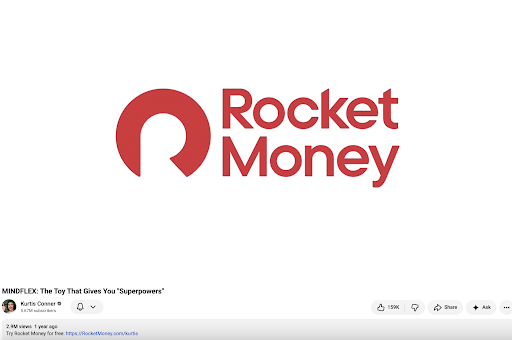
The following partnership between Rocket Money and Kurtis Conner perfectly balances authenticity with compliance.
Source: YouTube
Here’s why:
He discloses the partnership at the very beginning of the video.
Disclosures are also included in the caption above the fold.
He creates content in his usual style and voice to keep it on-brand and authentic.
In the middle of the video, he explains how Rocket Money works to improve understanding.
He includes a personal anecdote to connect the audience to a relatable pain point.
He doesn’t make exaggerated claims or false promises, opting to use the language “may be able to help you.”
Leaning into High-Converting Content Types
Fintech products aren’t always the easiest to understand for everyday consumers. Add this to the fact that people are usually skeptical about products that involve money, and you’re faced with the challenge of determining what content types would work best for your campaign.
Educational content and explainers are always the best way to improve product understanding and get buy-in from consumers. A better understanding of the product helps consumers realize the potential value it can add to their lives and gives them the confidence to choose it.
Here’s a quick reference guide to give you an idea of the types of content that work for fintech creator campaigns and why:
| Content Type | What It Is | Why It Works |
|---|---|---|
| Day in the life demos/vlogs | Creators show how they use the product in their own lives |
|
| Educational explainers and walkthroughs | Creators break down complex finance concepts or product walkthroughs |
|
| Long-form reviews | Creators share honest pros and cons about a product or service |
|
| User-generated reviews and testimonials | Creators share their personal stories and experiences about how the product added value to their lives |
|
In the following partnership with Klarna, Gia Giudice takes her followers along to run errands and shows them how she uses her Klarna card to pay. She explains how the product works and how it addresses a major pain point for her, balancing education with relatability.

Source: Instagram
Clear Attribution and Performance-Based Compensation
To connect fintech creator campaigns to actual return on investment, you need to look beyond vanity metrics for performance measurement. The good news is you can accurately attribute real business revenue to your campaign. Funded accounts, signups, transactions, and app installs are all events you can track.
Unique links and promo codes allow you to tie these metrics to specific influencers. You can drive performance by building your compensation model around specific milestones. For example:
First Milestone: Flat-fee payments based on signups and app installs.
Second Milestone: Flat-fee payments made for every verified account opening.
Third Milestone: Bonus for the first transaction confirming an active user.
While performance-based compensation models incentivize creators to drive more conversions, there are a few things to keep in mind.
Avoid paying creators based on the value of an account or the outcome of an investment. This might tempt them to make aggressive or misleading claims that pose compliance risks.
Fintech products often have longer consideration cycles. Setting longer attribution windows spanning 30-90 days could help you accurately capture delayed conversions.
Protect against fraudulent conversions by setting holdback periods for screening. Clawback clauses can also minimize the risk of scams by requiring creators to return the money when the accounts they bring in end up closing immediately.
Long-Term Partnerships for Repeat Exposure and Trust
Fintech influencer marketing is all about building trust. That’s why long-term creator partnerships make so much sense, as it demonstrates to the audience that the creator genuinely vouches for your company. It makes the endorsement more authentic and trustworthy.
One-off partnerships may be great for short-term visibility. But the repeat exposure from the same set of influencers over the course of several months supports consistent messaging and builds long-term trust.
See the product mentioned enough times by your favorite creator, and you’re likely to pay attention at some point. Hear about the benefits enough times, and you might be curious to give it a try.
This works perfectly for fintech products that have longer consideration cycles.
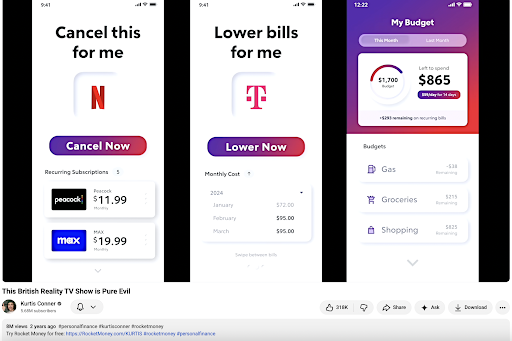
For example, Kurtis Conner has created several videos sponsored by Rocket Money. Their partnership spans years instead of just a couple of weeks or months.
Source: YouTube
Get Started with Winning Creator Campaigns for Fintech Companies
Regulated industries like fintech need more than just celebrity influencers with millions of followers. Creator campaigns must align with compliance guidelines and rely on trusted influencers to create relatable content that educates and resonates.
Sulfur Studio has the expertise to navigate compliance risks flawlessly, turning creator content into funded accounts. Book a call to get started.
Frequently Asked Questions
Who are some of the best fintech influencers?
Some of the leading fintech influencers include: Leda Glyptis, a former banker and seasoned fintech executive; Alex Johnson, founder of Fintech Takes; and Marcel van Oost, founder of Connecting the dots in FinTech.
What do fintech influencers do?
Fintech influencers are trusted personalities who break down complex fintech topics, share industry shifts, and help brands connect with consumers and professionals in trust-first financial sectors.
What types of creator content work best for fintech influencer marketing?
Educational explainers, app demos, day-in-the-life context videos, and honest reviews are the best types of creator content for fintech influencer marketing.